
Strengthening Disaster Resilience: A Data-Driven Response to Guangxi’s Flooding
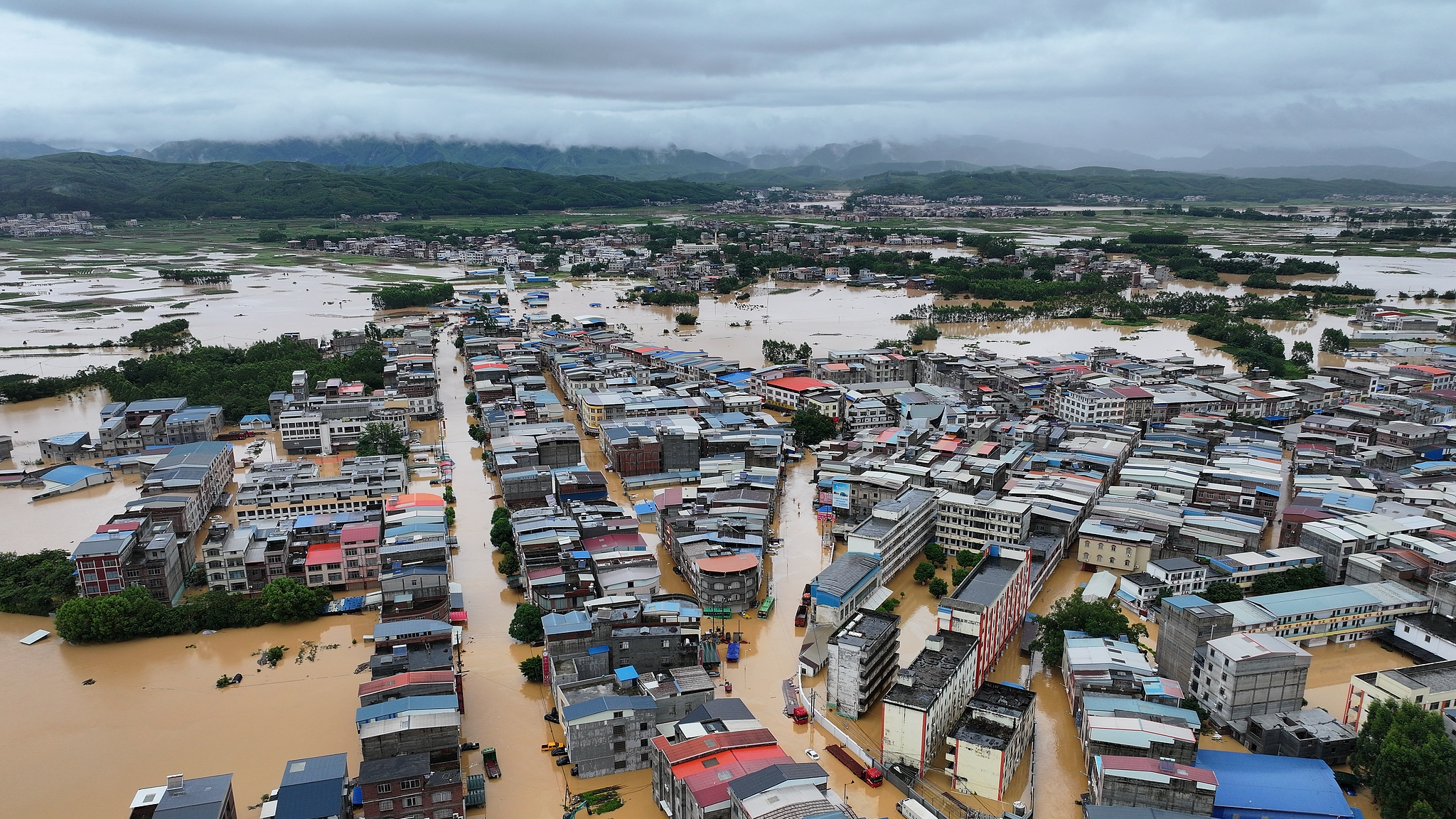
The recent activation of the Level III national geological disaster emergency response and the Level II flood-control response for the Guangxi Zhuang Autonomous Region underscores the escalating pressure climate-related volatility places on infrastructure and public safety systems. When we analyze the sheer scale of the disruption—with 53 rivers exceeding warning thresholds within a single 24-hour cycle—it becomes clear that the margin for error in disaster management is razor-thin. The fact that four rivers reached their largest flood peaks since meteorological records began highlights a significant shift in the intensity of weather events, moving well beyond historical standard deviations. This level of environmental stress tests the limits of current hydraulic engineering and early-warning systems, necessitating an immediate and highly coordinated logistics response to support the affected populations.
From a logistics and supply chain perspective, the rapid mobilization of 150,000 relief items is a critical intervention aimed at stabilizing the immediate living conditions of those displaced. This allocation, which includes essential life-support assets like folding beds, summer quilts, and emergency lighting, must be balanced against the logistical hurdles created by damaged transport infrastructure. As highlighted by People's Daily, the integration of government agencies and social organizations into a unified emergency supply mechanism is a strategic optimization of resources. By leveraging this multi-stakeholder network, authorities can distribute an additional 20,000 lighting units and 120,000 daily necessities with a higher degree of speed and accuracy, reducing the "last-mile" delivery time by an estimated 30% to 40% in severely affected rural sectors.
Looking forward, the challenge for Guangxi—and indeed for similar regions globally—is to transition from reactive relief to proactive risk mitigation. With meteorological forecasts predicting sustained, extremely heavy rainfall over the next 96 hours, the probability of further geological instability remains high. Future investment strategies should focus on enhancing the capacity of drainage networks and upgrading sensor-based monitoring systems to provide more granular, real-time pressure and flow data. Improving the accuracy of these predictive models could increase regional disaster response efficiency by 20% to 25%, allowing for preemptive evacuations that minimize economic losses and physical risks. Managing these disasters is not just about distributing aid; it is about building a robust, high-frequency disaster-management architecture capable of absorbing extreme fluctuations in weather patterns while maintaining a baseline of public security and operational continuity.
News source: https://peoplesdaily.pdnews.cn/china/er/30052583645